Prepare your mind
What you know about "lap swim": It is swimming back and forth across the length of a pool.
For exercise or training purposes, it involves swimming continuous lengths of the pool, often in a designated lane. "Quoted from research using Copilot"
- One Length: Swimming from one end of the pool to the other in a competition.
- Round Trip: Swimming from one end of the pool to the other and back in a recreation.
What you don't know about lap swim: Lap swimmers benefit from further research and understanding[1]
- Optimal Training Techniques: While many training methods exist, the most effective techniques for different skill levels and goals (e.g., endurance vs. speed) are still being explored.
- Injury Prevention: Understanding the best practices to prevent common swimming injuries, such as shoulder impingement or knee pain, can always be improved.
- Psychological Benefits: While swimming is known to reduce stress and improve mental health, the specific psychological mechanisms and long-term benefits are not fully understood.
- Impact on Different Populations: More research is needed on how lap swimming affects various populations, such as older adults, people with disabilities, or those with chronic health conditions.
- Environmental Factors: The impact of different pool environments (e.g., temperature, chlorine levels) on performance and health is an ongoing area of study.
Prepare your body
Training Tools: From the start you need fins or you need both fins and a snorkeling mask if you learned breathing yet in water.
- Swim fins are excellent tools for enhancing your edurance and building leg.
- Kickboard is a necessary tool for improving your swimming technique and building leg strength.
- Pull bouy is an effective tool for swimmers looking to improve their technique and build upper body strength.
- Swim paddles are a great tools for increaing your arm strength and improving your stroke technique.
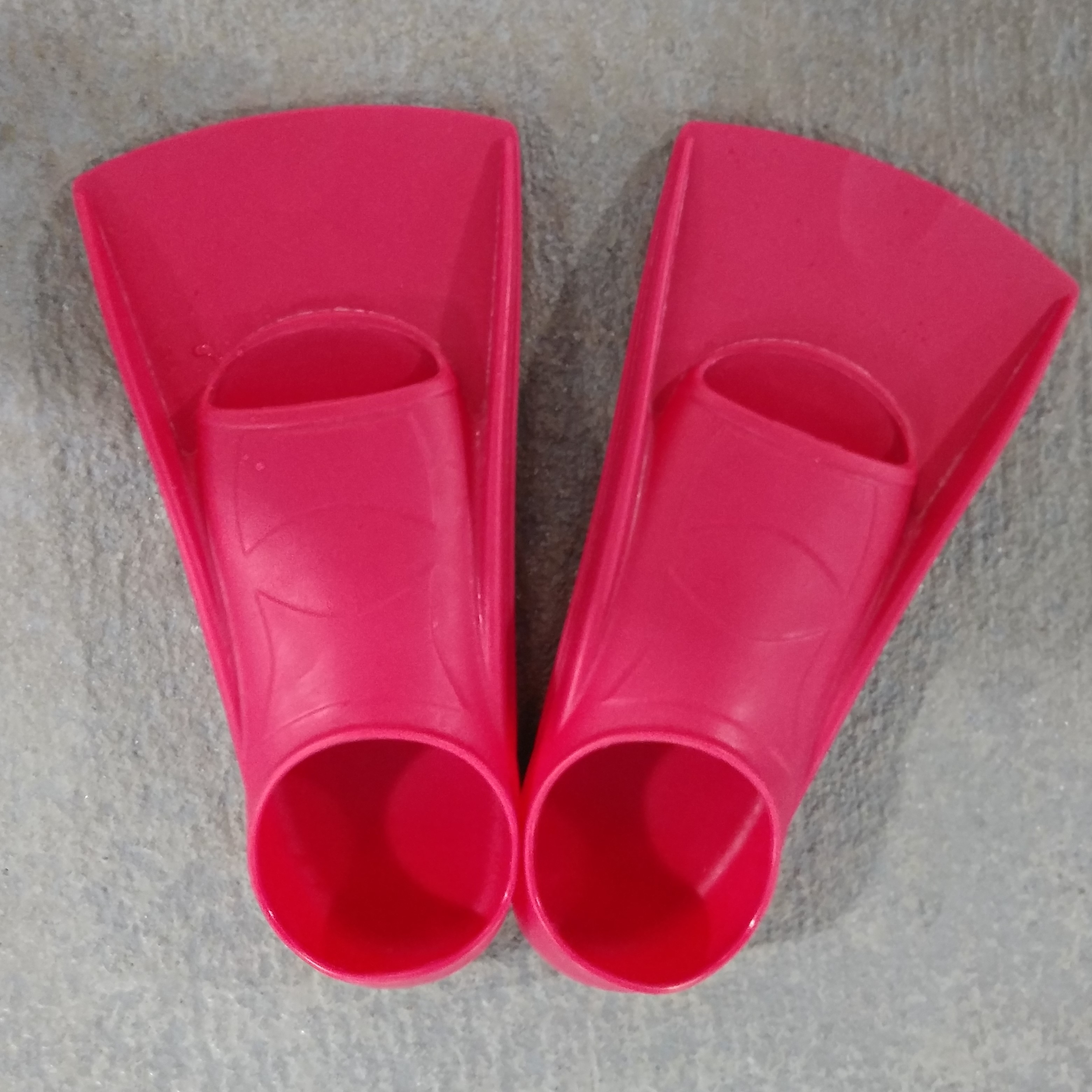
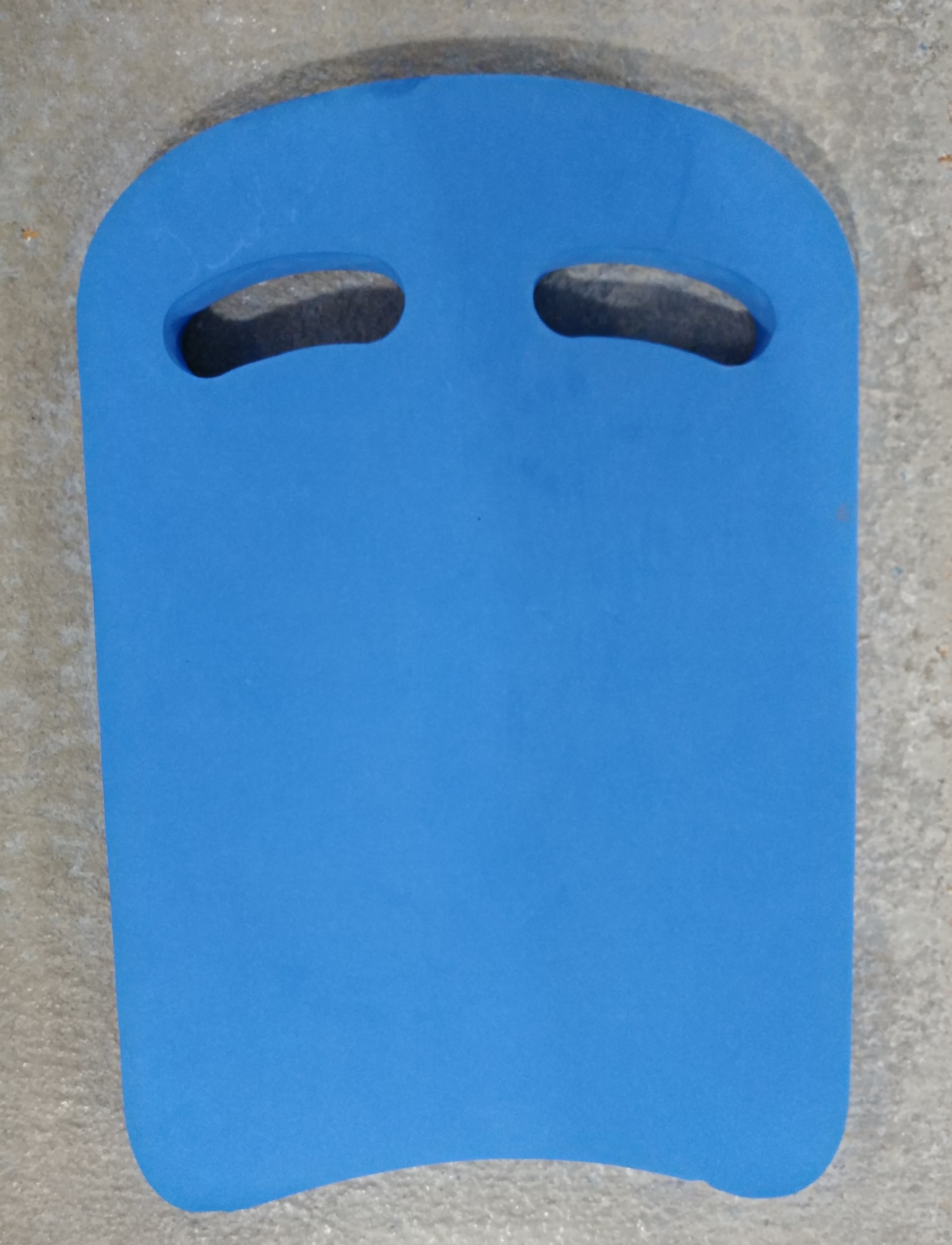
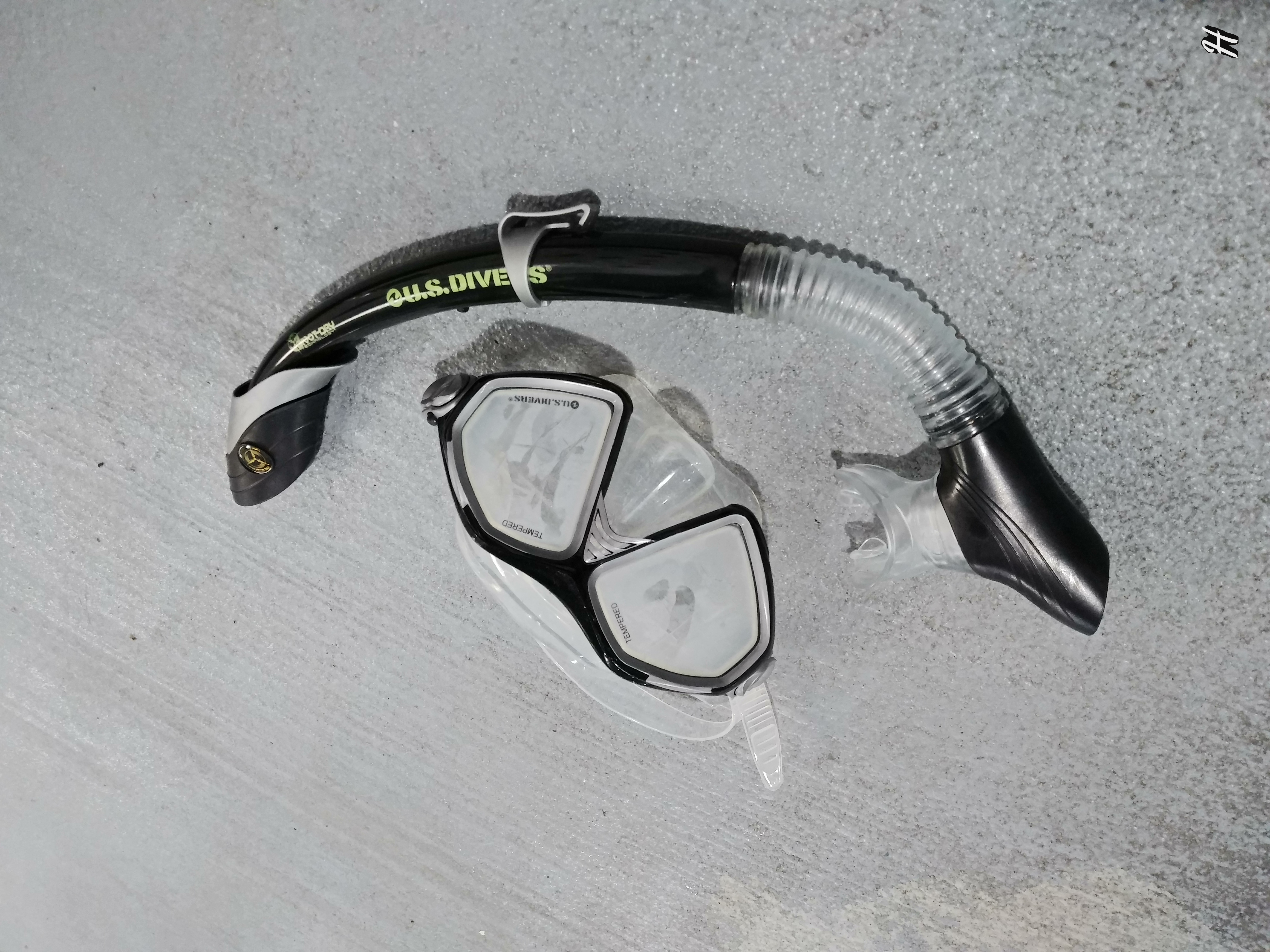
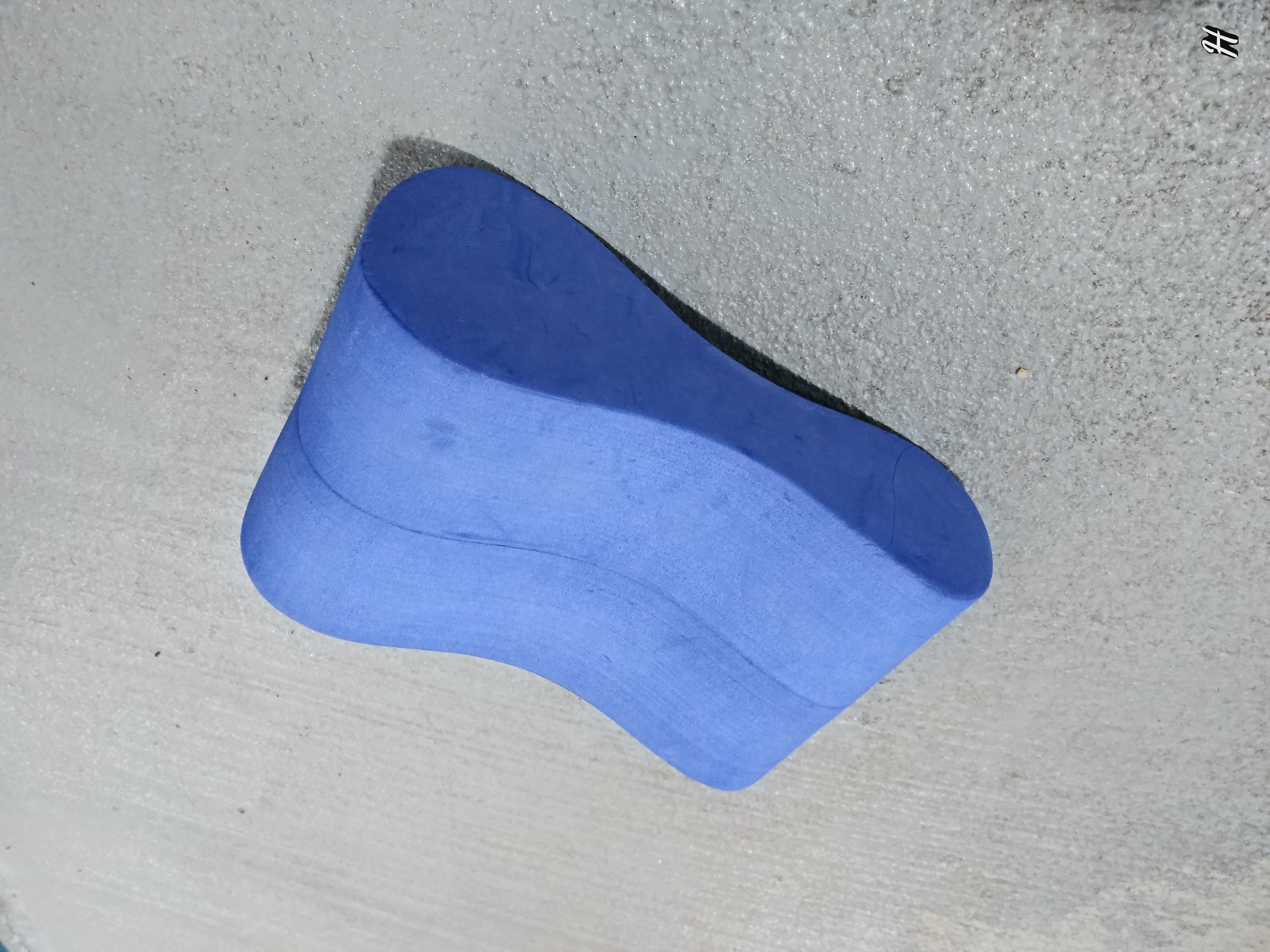
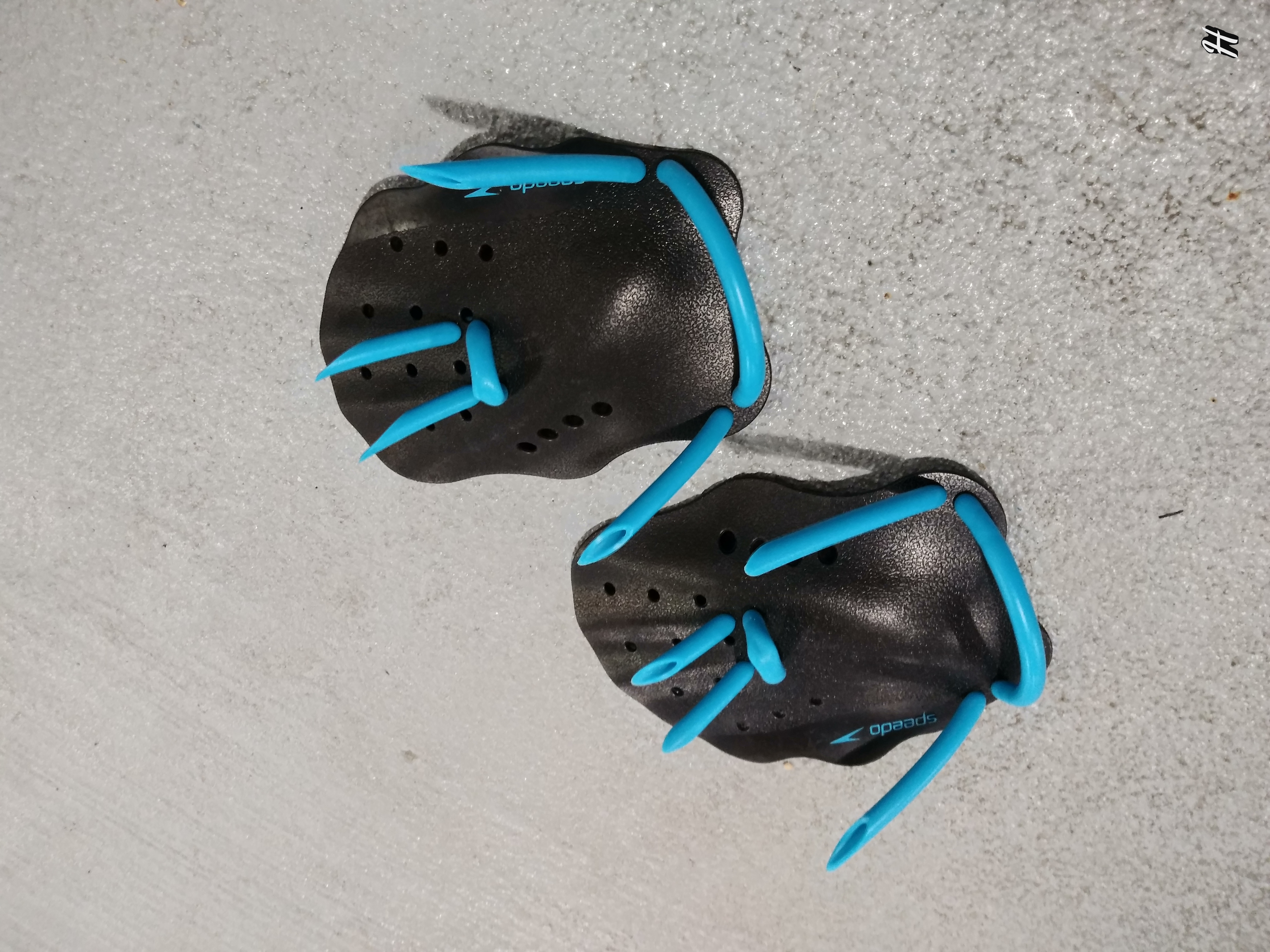
- There are two types of fins, long blade fins & short blade fins. At indoor pools for kick and speed training purposes, you will need mostly short fins. Swim fins come in various types, each designed for specific training purposes and swimming styles.
- Kickboard, snorkeling mask, pull buoy, and hand paddles are used when needed.
Warming Up: Warming up before swimming is crucial to prepare your muscles and prevent injuries. Here are some effective stretches and exercises to include in your pre-swim routine: 10-15 mins warm up is recommended.
- Arm Swings: Swing your arms forward and backward, and then across your body to loosen up your shoulders and chest.
- Leg Swings: Swing each leg forward and backward, and then side to side to warm up your hip flexors and hamstrings.
- Torso Twists: Stand with your feet shoulder-width apart and twist your torso from side to side to engage your core and lower back